
Art in the Estate Plan
Collections are emotional assets as well as financial ones. Planning requires both sensitivity and precision.
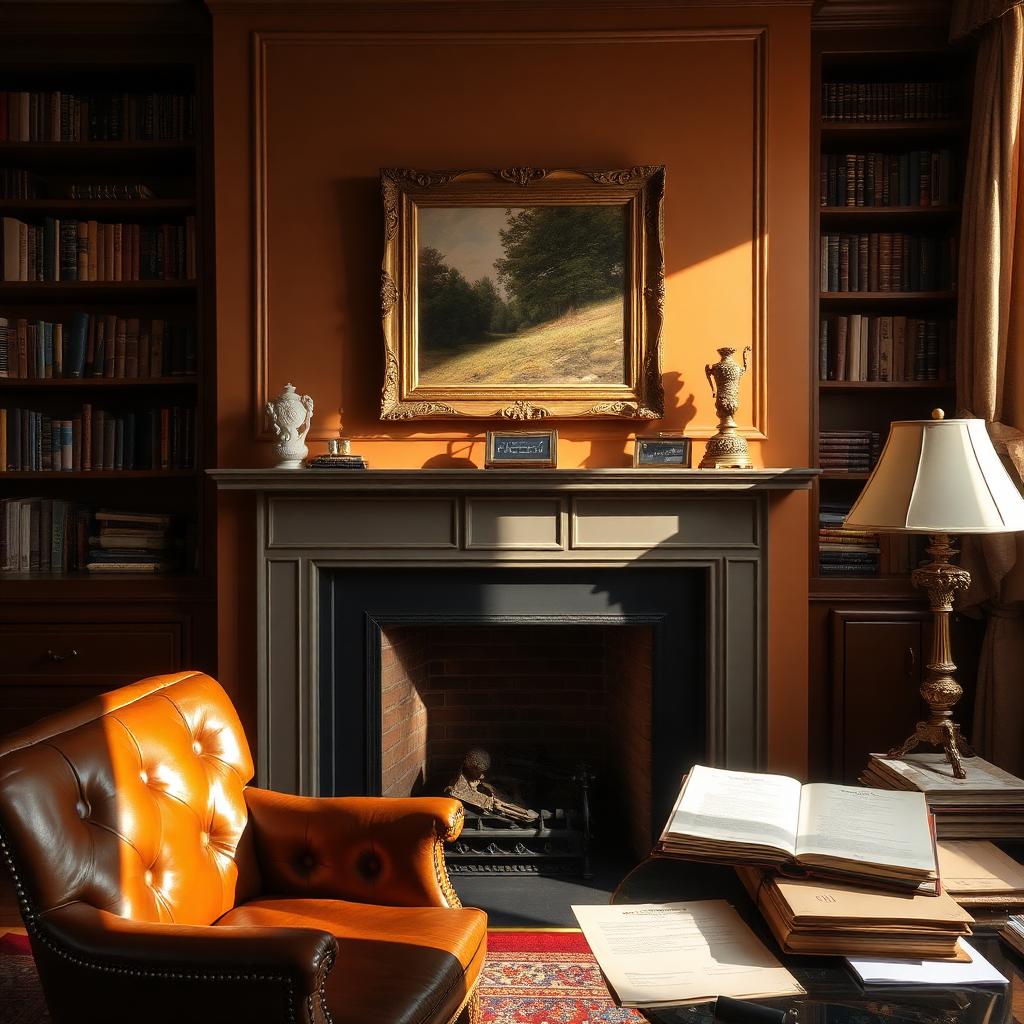
Art collections are unlike most other assets. They carry memory, identity, and family history. A painting is not just a balance-sheet entry; it is a reminder of a trip, a relationship, or a moment of discovery. That emotional weight makes estate planning for art collections uniquely challenging — and uniquely important.
Start with a clear inventory
Before any decision can be made, the collection must be documented. This includes accurate titles, dimensions, media, dates, provenance, condition reports, and current valuations. A professional inventory is the foundation of every subsequent estate decision, from tax planning to equitable distribution.
Valuations should be current. Markets move, and an appraisal from a decade ago may no longer reflect reality. For estate purposes, it is often wise to use an independent specialist who understands both the artist's market and the appropriate methodology.
Conversations before documents
The best estate plans are preceded by honest conversations. Who loves which work? Who is equipped to care for it? Would the family prefer to keep the collection together, or is it better to distribute, sell, or donate? These questions can be difficult, but avoiding them usually leads to greater conflict later.
Options for the future
There are more options than simply passing works to heirs. Charitable donations, museum bequests, fractional ownership structures, and carefully timed sales can all be part of a thoughtful plan. Each option has different tax, financial, and emotional implications that should be weighed with professional guidance.
A final thought
Art in an estate plan is about stewardship — of the objects themselves, and of the relationships that surround them. With care and expertise, a collection can move gracefully into the next chapter of its life.