
Provenance as Protection
A clear ownership history is not just documentation—it is a safeguard against future doubt, dispute, and devaluation.
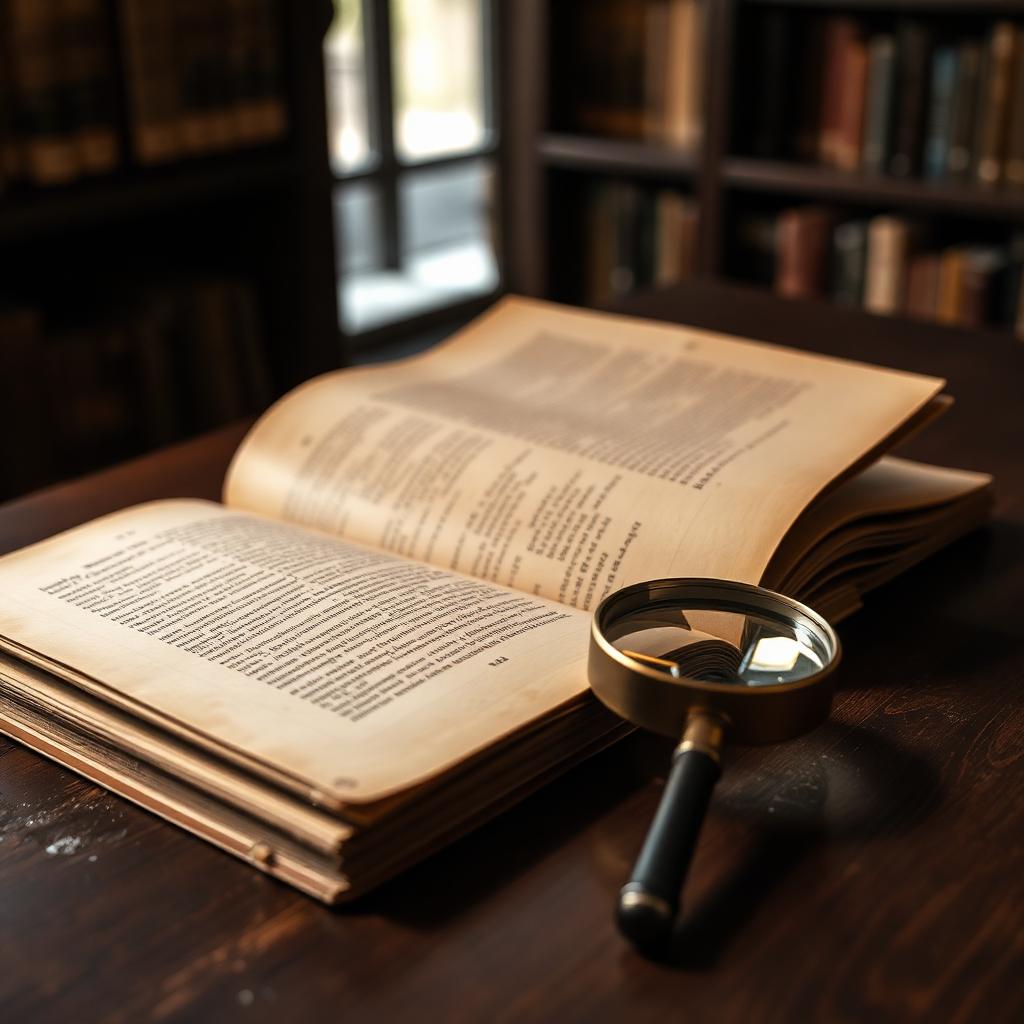
Provenance is the biography of an artwork. It records who owned it, where it was exhibited, how it was sold, and what scholarship has been attached to it. To the untrained eye, it can look like administrative detail. In reality, it is one of the most important factors in determining both value and peace of mind.
Why gaps matter
A missing period in an artwork's history is not always a problem, but it is always a question. Where was the work between 1935 and 1950? Who held it during the war years? Why does no exhibition record exist for two decades? These gaps may have innocent explanations, but they can also signal restitution issues, forgeries, or undocumented damage.
The cost of resolving provenance gaps usually rises with time. A question left unanswered at acquisition can become a major obstacle at sale, loan, or donation. Diligent collectors address these questions before they write the cheque, not after.
Documentation as a pillar of value
Strong provenance supports value. It gives buyers confidence, allows museums to accept loans, and helps auction houses estimate with conviction. The best records include original bills of sale, exhibition catalogues, catalogue raisonné entries, and a continuous chain of ownership.
In our work, we often spend more time researching a work than negotiating it. That is because the price is only one variable; the long-term integrity of the acquisition depends on the story behind it.
A final thought
Provenance is not a luxury for cautious buyers. It is the foundation on which confident ownership rests. A well-documented work can move freely through the market. A poorly documented one can become a liability that no amount of beauty can outweigh.